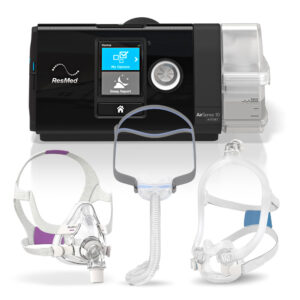
What are CPAP machines?
CPAP machines deliver a steady flow of pressurised air through a mask to help prevent the airway from collapsing at night. CPAP machines are most commonly used for obstructive sleep apnoea (OSA), which can cause loud snoring, choking or gasping, and repeated sleep disruptions.
They are a long-established treatment and are often recommended when symptoms are moderate to severe, or when health risks are higher.
Who are CPAP machines usually recommended for in Australia?
They are typically recommended for people diagnosed with obstructive sleep apnoea after a sleep study arranged through a GP and sleep physician. CPAP machines online may be advised when daytime sleepiness, driving safety, blood pressure, heart strain, or work performance are concerns.
They can also be considered when a partner reports frequent breathing pauses and the person wakes unrefreshed, even if they do not notice the problem themselves.
How do CPAP machines work during sleep?
They work by creating a pneumatic “splint” that holds the upper airway open, so breathing remains steady. CPAP machines push air through tubing into a mask, preventing the soft tissues in the throat from collapsing.
Many devices automatically adjust pressure overnight, responding to airflow changes, snoring, or partial obstruction. This can make treatment feel smoother for some people.
What conditions do CPAP machines treat, and what can they improve?
They mainly treat obstructive sleep apnoea, but they can also be used in some cases of central sleep apnoea under specialist guidance. CPAP machines may reduce snoring, improve sleep quality, and lower the number of breathing interruptions (apnoeas and hypopnoeas).
Over time, treatment can improve daytime alertness and may support better blood pressure control in some patients, particularly when used consistently.
What does a sleep study involve before starting CPAP?
A sleep study records breathing, oxygen levels, heart rate, sleep stages, and events that suggest sleep apnoea. In Australia, it may be done at home (home sleep test) or in a sleep laboratory, depending on symptoms and medical history.
Results guide whether treatment is needed and help clinicians recommend suitable settings. This step matters because not everyone who snores needs CPAP.
What types of CPAP machines might patients hear about?
Most people will hear “CPAP” used as a general term, but there are a few device types. CPAP machines deliver one continuous pressure, while APAP (auto-adjusting CPAP) varies pressure through the night. Bi-level devices (often called BiPAP or VPAP) provide different pressures for breathing in and out.
The right option depends on the diagnosis, comfort, other lung or heart conditions, and specialist advice.
What masks are available, and how do they affect comfort?
Mask choice can make or break treatment success, so fit and comfort matter as much as the machine itself. Nasal masks sit over the nose, nasal pillows seal at the nostrils, and full-face masks cover the nose and mouth.
People who breathe through their mouth, have nasal blockage, or move a lot in sleep may need different styles. A proper fitting appointment and the option to trial alternatives can help.
What does it feel like to use CPAP for the first time?
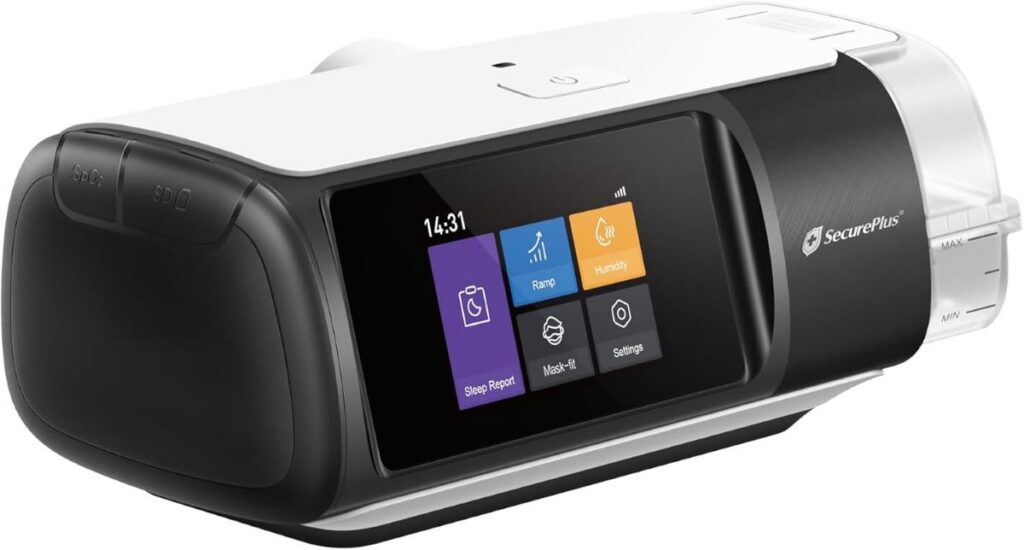
At first, it can feel unusual to breathe out against pressure, and some people feel claustrophobic or overly aware of the mask. CPAP machines often include a “ramp” feature that starts lower and builds pressure gradually to help them fall asleep.
Most adjustment issues improve over days to weeks, especially with troubleshooting, mask changes, and supportive coaching from a sleep clinic.
What side effects can happen, and how are they managed?
Common issues include dry nose or mouth, blocked nose, mask leaks, skin irritation, aerophagia (swallowing air), and noise disturbance. CPAP machines with heated humidification can help dryness, while changing mask size, cushion type, or headgear tension can reduce leaks and pressure marks.
Persistent discomfort should be reviewed, as poorly managed problems are a leading reason people stop using therapy.
How do patients and carers know if CPAP is working?
They may notice less snoring, fewer night-time awakenings, and improved morning energy within days, though some improvements are gradual. CPAP machines record data such as usage hours, mask leaks, and residual apnoea index, which clinicians can review.
Carers may also observe fewer breathing pauses and a calmer sleep pattern. If symptoms persist, settings, mask fit, or the diagnosis may need reassessment.
How many hours a night should CPAP be used to be effective?
They generally need to use it whenever they sleep, including naps, because untreated events can return quickly without therapy. Many services and funding pathways use a minimum benchmark (often around four hours per night on most nights), but more consistent use is usually linked to better symptom control.
If they struggle to reach this, the goal should be gradual progress rather than giving up.
What should patients consider when choosing CPAP machines in Australia?
They should prioritise clinical suitability, comfort features, follow-up support, and transparent pricing. CPAP machines vary by algorithm style, noise level, humidifier options, exhalation relief, and ease of cleaning and travel.
It also helps to ask whether the supplier provides mask trials, local support, and data downloads for clinicians. A cheaper device can cost more later if it leads to poor adherence.
Can CPAP be funded or supported through Australian pathways?
Some people access support through private health insurance extras, Department of Veterans’ Affairs arrangements, or other schemes depending on eligibility. In some settings, public hospital clinics provide assessment and follow-up, but device purchase is often out-of-pocket.
They should ask their GP, sleep physician, or supplier for documentation needed for rebates, and confirm exactly what is covered before buying.
What cleaning and maintenance do CPAP machines require?
Basic hygiene reduces infection risk and keeps equipment working reliably. Masks usually need regular washing with mild soap and water, and the humidifier chamber should be emptied and dried to reduce biofilm build-up.
Filters need checking and replacement on schedule, especially in dusty environments or during bushfire smoke periods. CPAP machines should be serviced as recommended, and consumables replaced when seals degrade.
Are there alternatives if someone cannot tolerate CPAP?
Yes, depending on severity and anatomy, alternatives may be reasonable. Options can include mandibular advancement splints (oral appliances fitted by trained dentists), weight management strategies, positional therapy, surgery in selected cases, and newer options like hypoglossal nerve stimulation for specific patients.
CPAP machines remain a first-line treatment for many, but intolerance should trigger reassessment rather than silent dropout.
When should patients seek urgent medical advice about sleep apnoea or CPAP use?
They should seek prompt advice if they have severe daytime sleepiness affecting driving, worsening breathlessness, chest pain, fainting, or significant drops in oxygen on a study report. They should also get help if CPAP triggers panic, severe bloating, recurrent nosebleeds, or worsening ear or sinus pain.
For urgent symptoms, they should contact their GP, local accident and emergency department, or call Triple Nine (999) if it is an emergency.
What are the key takeaways for patients and carers considering treatment?
They can think of CPAP as a practical tool that supports safer breathing during sleep, not a sign of failure or frailty. CPAP machines work best when diagnosis is clear, mask fit is right, and follow-up is built in from the start.
For UK patients and carers, the best next step is usually a GP review and a sleep study, then a supported trial that focuses on comfort, data, and real-world outcomes.