This guide explains what matters before they buy, based on what clinicians see every day with Australian patients starting (or restarting) CPAP. The aim is simple: help them choose CPAP masks that are comfortable, stable, and realistic for their sleep style and health needs.
What should they prioritise first when choosing a CPAP mask?
They should prioritise fit, seal, and comfort before brand names or extra features. If the seal is unreliable or the mask causes pain, most people will stop using it, even if their machine settings are perfect.
A good starting point is to match the mask style to how they breathe at night, then confirm sizing and headgear stability. The “best” option is usually the one they can wear consistently.
Which types of CPAP masks are available in Australia?
In Australia, most suppliers and sleep clinics offer three core types: nasal pillows, nasal masks, and full-face masks. Each suits different breathing patterns, facial shapes, and comfort preferences.
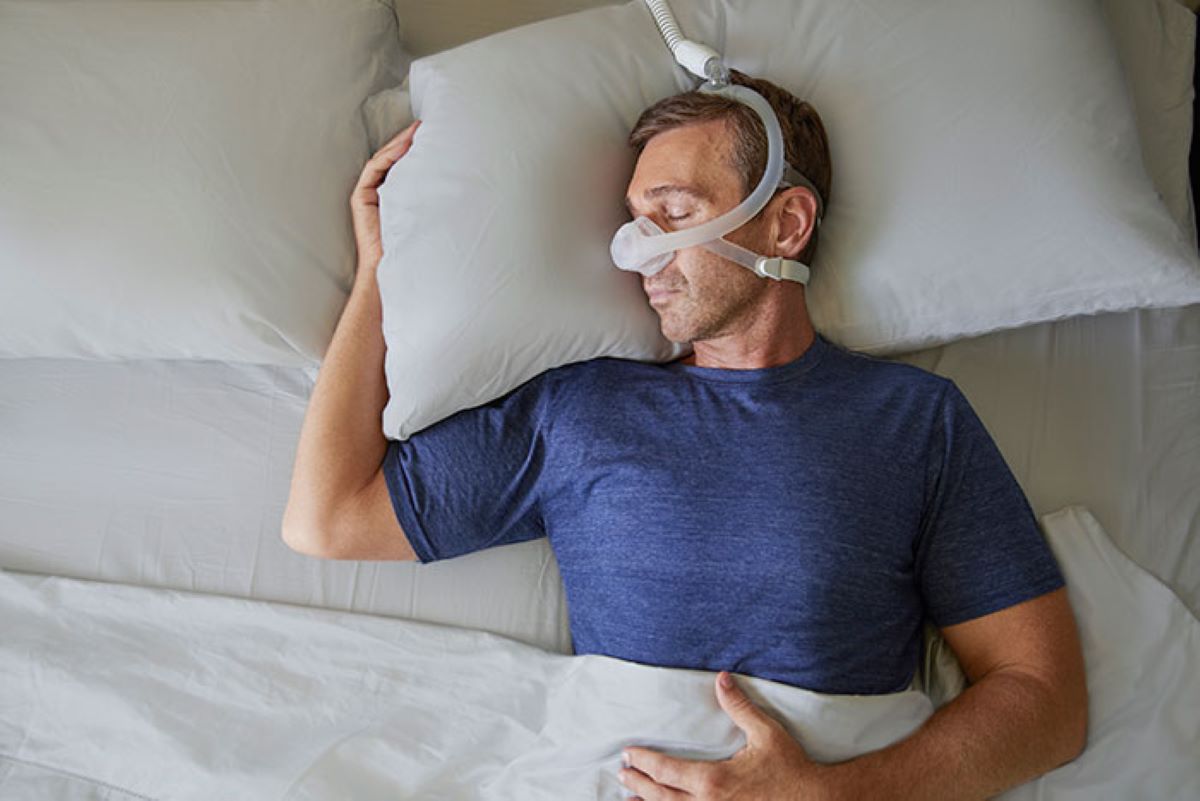
Nasal pillows sit at the nostrils and feel minimal. Nasal masks cover the nose and can be more stable at higher pressures. Full-face masks cover nose and mouth and help when mouth breathing is common. These are the main categories of CPAP masks they will be asked to consider. “
How do they know whether they need a nasal or full-face mask?
They usually need a full-face option if they regularly breathe through the mouth during sleep, wake with a very dry mouth, or have nasal blockage that persists despite treatment. If they can breathe comfortably through the nose, nasal styles often feel lighter and easier.
Mouth breathing can be a habit, congestion, or jaw relaxation. Clinicians commonly trial a nasal mask first, then switch if leaks or symptoms suggest the mouth is opening. For many patients, the right choice among CPAP masks depends on what happens after lights out, not what feels fine during the day.
How important is sizing, and what gets missed most often?
Sizing is crucial because the cushion must sit on the right facial areas to seal without being over-tightened. The most common issue is choosing a size based on guesswork rather than a fitting guide.
Many Australian suppliers provide printable or in-store sizing tools. They should use them. A cushion that is too small can dig into the nose or leak into the eyes, while a cushion that is too large can shift and break the seal. Correct sizing is one of the fastest ways to improve comfort with CPAP masks.
What should they look for in comfort and skin contact?
They should look for a cushion material and shape that does not create pressure points on the bridge of the nose, under the nostrils, or along the upper lip. Silicone is common, but some people do better with memory-foam style cushions.
If they have sensitive skin, facial dermatitis, or frequent irritation, they may need a different cushion style or a barrier option recommended by their clinician. Comfort is not a luxury feature. It directly affects whether CPAP masks are used for the full night.
How can they prevent leaks without over-tightening the headgear?
They should aim for a stable seal with the straps just snug enough to hold position. Over-tightening often worsens leaks by distorting the cushion, especially when they change position during sleep.
A useful check is to fit the mask while lying down with the machine running at their usual pressure. Facial tissues shift when they recline. If leaks only happen on one side, they may need a different cushion shape, a different frame, or a pillow that accommodates the mask.
Which features matter most for side sleepers and restless sleepers?
Side sleepers should look for a low-profile frame, flexible tubing connection, and a cushion that seals even when pressed lightly into a pillow. Restless sleepers often benefit from headgear that stays put and a swivel elbow that reduces tugging.
Many people do not realise their pillow is part of the problem. A firmer pillow edge or a CPAP-friendly cut-out pillow can reduce mask displacement. For active sleepers, CPAP masks that are stable tend to beat “minimal” designs that shift easily.
What should they consider if they have nasal congestion or allergies?
They should treat congestion as part of the CPAP setup, not an afterthought. If they cannot breathe through their nose at night, they will fight the mask and may switch to mouth breathing.
In Australia, clinicians commonly recommend heated humidification, optimised room dust control, and appropriate medical treatment for allergic rhinitis where needed. If congestion is frequent, a full-face option may be more realistic in the short term. The best CPAP masks are still hard to tolerate when nasal airflow is poor.
How does CPAP pressure affect mask choice?
Higher pressures can make leaks more noticeable and may feel uncomfortable with very minimal designs. Some people at higher pressures do better with a nasal mask or a well-fitted full-face mask that spreads pressure more evenly.
They should also consider exhalation comfort and venting. A mask that feels fine at low pressure can become noisy or leaky once the machine reaches treatment pressure during the night. Matching pressure needs to the right CPAP masks can reduce wake-ups and partner disturbance.
What role does noise and vent airflow play in comfort?
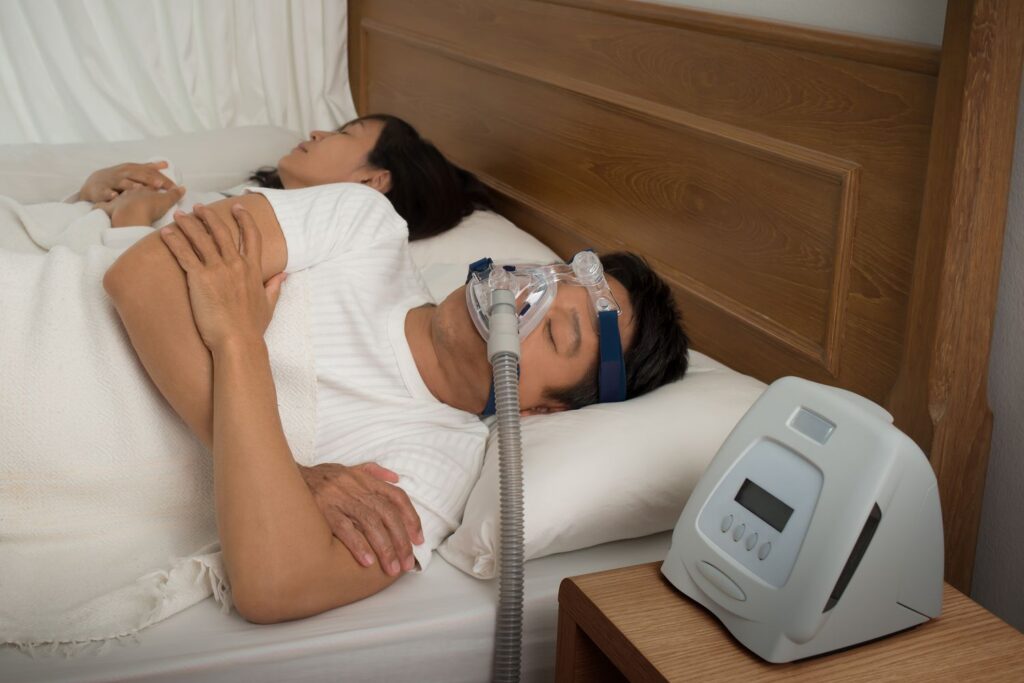
Noise and vent airflow matter because they can disturb sleep, dry the eyes, or irritate a bed partner. They should check where the exhalation vent points and whether it creates a draft.
Some masks diffuse airflow better than others. If a partner complains about airflow, the fix is often a different vent design, not tighter straps. Small design differences between CPAP masks can have a big impact in a shared bed.
What should they do if they have facial hair, glasses, or dental issues?
Facial hair can interfere with sealing, particularly on full-face cushions that sit over the moustache area. They may need a different cushion shape, a nasal style, or careful trimming where the cushion contacts the skin.
If they wear glasses before sleep, they might prefer a mask with a clear line of sight for reading. If they have dentures, TMJ pain, or dental appliances, comfort and jaw position become more important, and a clinician-guided fitting is wise. These factors often determine which CPAP masks are practical long term.
How often should CPAP masks be replaced, and what parts wear out first?
Most problems come from cushion wear and headgear stretching. Over time, the cushion can soften, become cloudy or tacky, and seal less reliably. Headgear can loosen and allow the mask to move.
Replacement schedules vary by use and cleaning habits, but many patients need a new cushion every few months and headgear less often. If leaks increase despite good fitting, worn parts are a common reason. Replacing components on time keeps CPAP masks working as intended.
What questions should they ask an Australian supplier or sleep clinic before buying?
They should ask whether they can trial the mask, swap sizes, or exchange within a set period if the fit fails. Many Australian CPAP providers offer a trial or “mask guarantee” style option, but terms differ.
They should also ask for help fitting it at therapeutic pressure, not just a quick demonstration. Finally, they should confirm which parts are replaceable and what ongoing costs look like. These questions help them choose CPAP masks with fewer surprises.
How can they make the final decision without wasting money?
They should shortlist one or two styles that match their breathing pattern and sleep position, then focus on correct sizing and a proper fit test. A good decision is usually the one backed by a realistic trial and clinician input, not online ratings alone.
If they are unsure, it can help to start with comfort and seal, then adjust. Most long-term CPAP success comes from small refinements. The right CPAP masks are the ones they can tolerate nightly, not just the ones that look best in a product photo.
Related : What Are CPAP Machines? A Quick Guide for Patients and Carers Considering Treatment Options