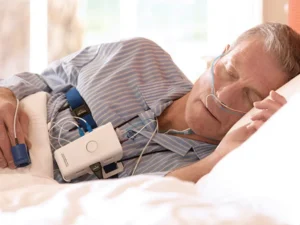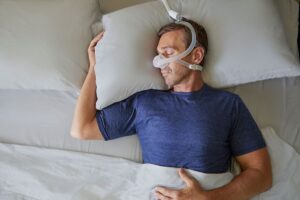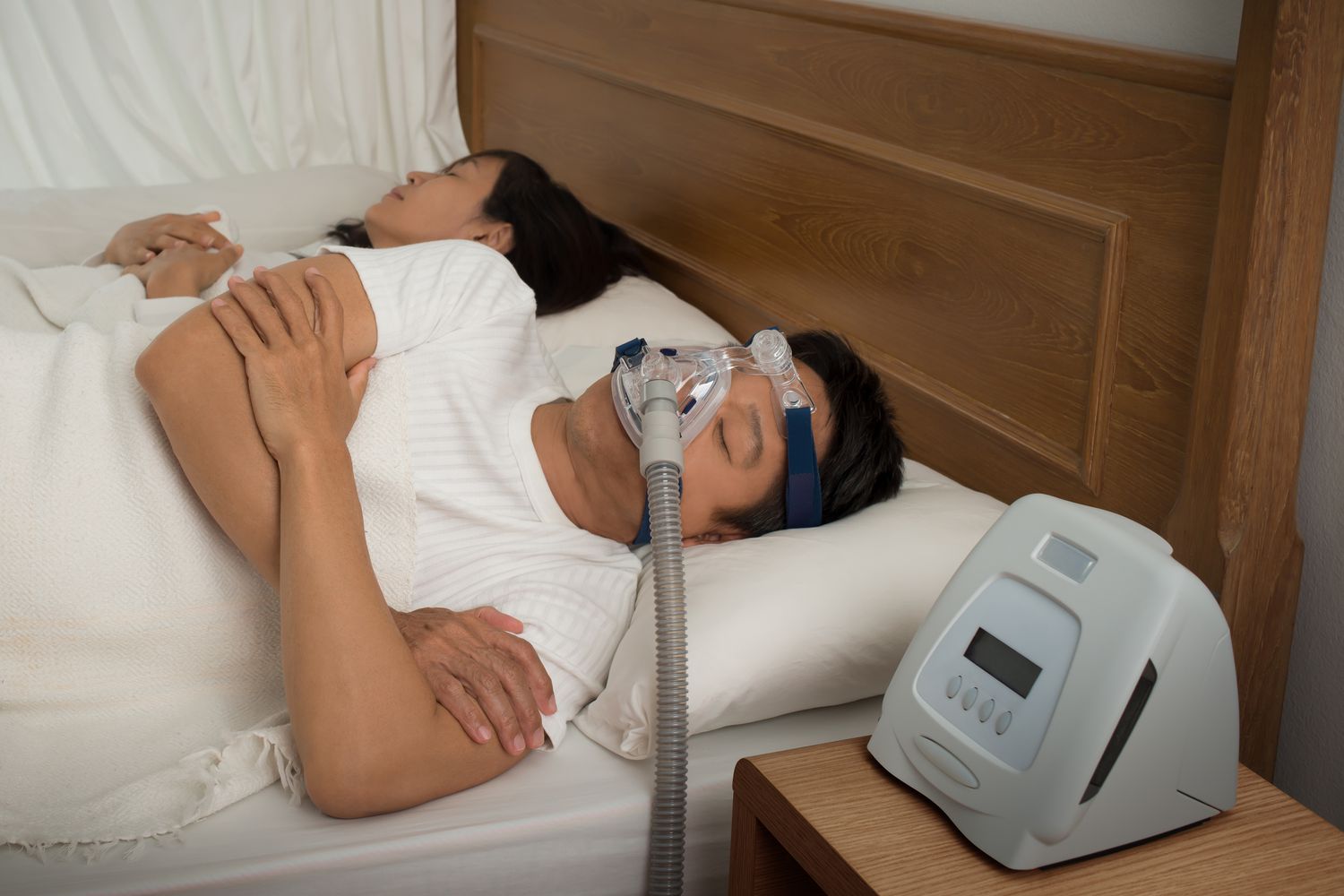
This guide is written for Australian patients and carers who want practical, clinician-informed steps to decide whether testing is worthwhile, what type of test fits best, and what to do with the results.
Is sleep testing only for “serious” sleep apnoea?
No. Sleep testing is used to confirm or rule out sleep apnoea and other sleep-related breathing issues across a wide range of severity. Many people with mild to moderate disease still have meaningful symptoms, safety risks, and treatment benefits once diagnosed.
For patients and carers weighing options, sleep testing Adelaide can prevent delays by clarifying whether symptoms are sleep-related or driven by something else like anaemia, mood disorders, medication effects, or chronic pain.
What symptoms suggest they might need a sleep test?
A sleep test is often considered when symptoms are persistent, unexplained, or affecting safety and daily function. The most common red flags include loud habitual snoring, witnessed pauses in breathing, choking or gasping at night, and unrefreshing sleep.
Daytime signs also matter: morning headaches, excessive sleepiness, irritability, poor concentration, and dozing off unintentionally. If a carer notices these patterns, sleep testing Adelaide can provide objective evidence to guide next steps.
Do carers have a role in deciding whether testing is needed?
Yes. Many people are unaware of their night-time breathing events, so carers often provide the key observations that trigger diagnosis. Witnessed apnoeas, restless sleep, unusual breathing sounds, and frequent bathroom trips overnight are all relevant.
Carers also help map the impact: near misses when driving, work errors, mood changes, and withdrawal from activities. When the history is unclear, sleep testing Adelaide helps turn carer observations into a measurable finding clinicians can act on.
When is it worth testing even if they do not snore?
It is still worth considering when daytime sleepiness is significant, when blood pressure is hard to control, or when there is atrial fibrillation or other cardiovascular risk. Some people have “quiet” sleep apnoea or do not recognise their snoring.
If they wake with a racing heart, feel unrefreshed despite adequate time in bed, or have unexplained fatigue, clinicians may still recommend sleep testing Adelaide to check for breathing disturbances and oxygen drops.
Could symptoms be caused by something other than a sleep disorder?
Yes, and that is exactly why testing can be useful. Fatigue and poor sleep can be driven by depression, anxiety, thyroid disease, iron deficiency, chronic respiratory conditions, reflux, pain, alcohol use, or medication side effects.
A well-taken clinical history often narrows the possibilities, but it cannot reliably confirm sleep apnoea without data. In that context, sleep testing Adelaide can either confirm a treatable sleep breathing issue or push the care plan toward other causes.
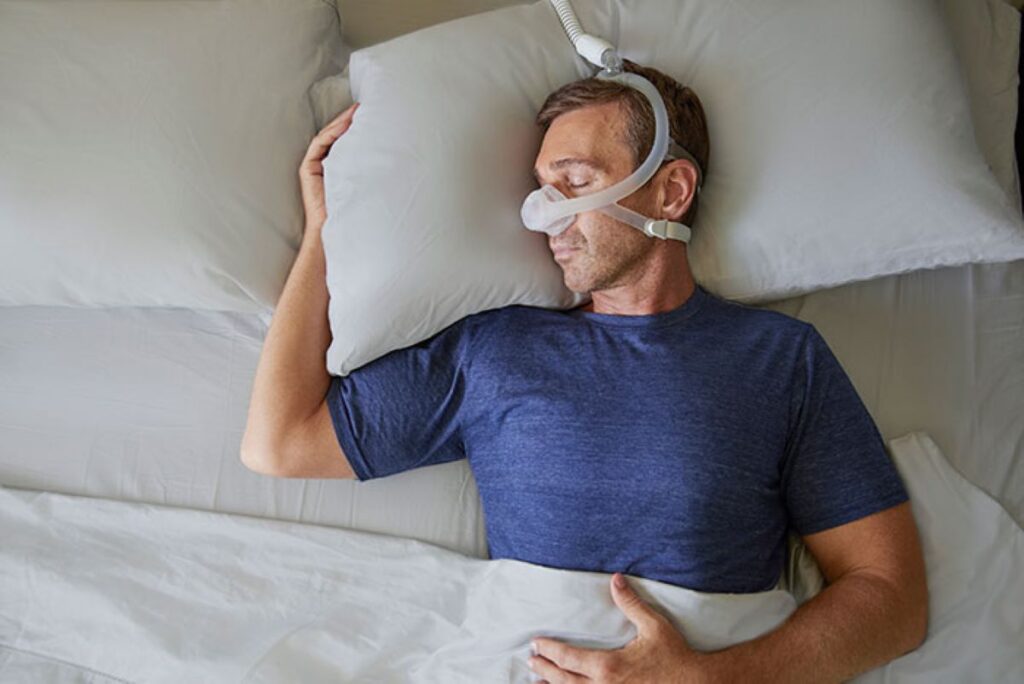
What health conditions make sleep testing more urgent?
Testing is often prioritised when untreated sleep apnoea could worsen risk or complicate treatment decisions. Common examples include resistant hypertension, type 2 diabetes, obesity, stroke history, heart failure, and atrial fibrillation.
It may also be important before certain surgeries or when driving safety is a concern due to daytime sleepiness. For patients balancing multiple conditions, sleep testing Adelaide can change the overall risk management plan, not just the sleep plan.
Does weight alone determine whether a sleep test is needed?
No. Higher weight can increase risk, but sleep apnoea occurs across body types. Jaw shape, airway anatomy, nasal obstruction, and family history can all contribute.
What matters most is the combination of symptoms, risk factors, and clinical suspicion. For some people with lower body weight but strong symptoms or witnessed apnoeas, sleep testing Adelaide is still a sensible and often necessary step.
Should they try treatment first and test later?
Sometimes lifestyle changes can start immediately, but starting device-based therapy without diagnosis is rarely ideal. Weight management, reducing alcohol, and positional strategies can be reasonable while waiting, yet they do not confirm what is happening.
If someone is considering CPAP, a mandibular advancement splint, or surgery, objective diagnosis is usually needed to choose the right option and to measure success. In that scenario, sleep testing Adelaide supports safer, more targeted treatment decisions.
What types of sleep tests are typically used in Adelaide?
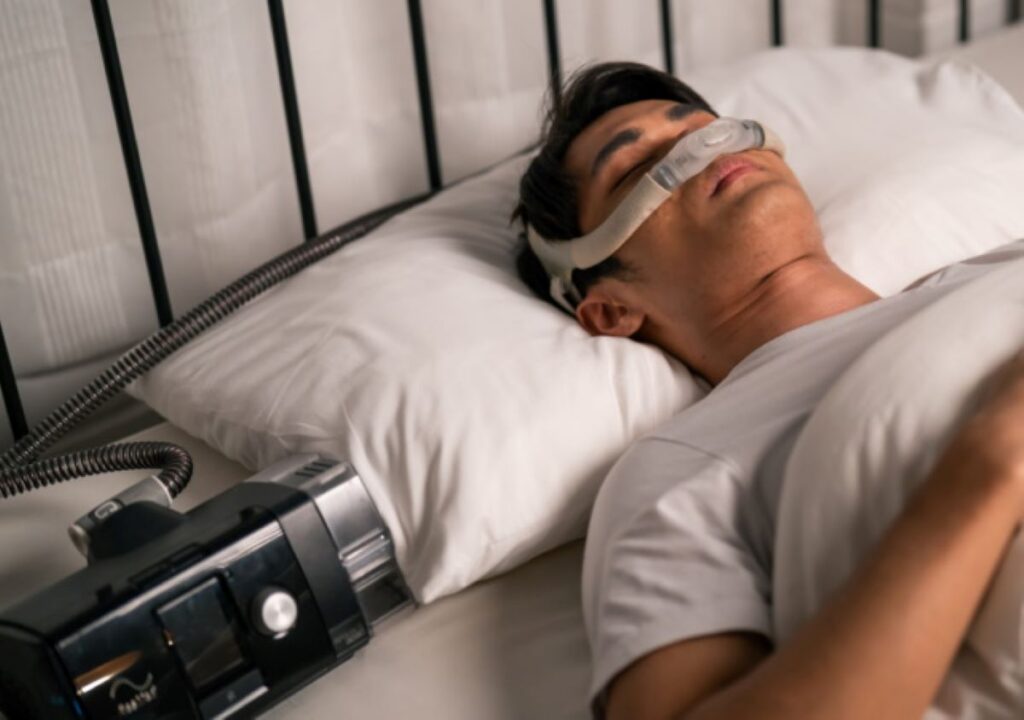
Most patients are offered either a home sleep apnoea test or an in-lab overnight study, depending on symptoms and complexity. Home tests commonly measure breathing, oxygen levels, airflow, and heart rate, and they suit many straightforward suspected apnoea cases.
In-lab studies measure more channels, usually including brain activity and sleep stages, and are used when the situation is complicated or when other sleep disorders are suspected. A clinician can advise which sleep testing Adelaide pathway matches the person’s needs.
How do they choose between a home test and an in-lab study?
A home test is often chosen when the main question is “does this person have obstructive sleep apnoea?” and there are no major comorbidities complicating interpretation. It is also practical for people who sleep better at home or have carer responsibilities.
In-lab testing may be preferred if there is severe lung disease, possible central sleep apnoea, neuromuscular concerns, parasomnias, seizure concerns, or prior inconclusive results. The right choice makes sleep testing Adelaide more accurate and clinically useful.
What should patients and carers do before organising a sleep test?
They should start with a structured symptom and risk review. Helpful notes include snoring frequency, witnessed apnoeas, typical bedtime and wake time, overnight awakenings, alcohol intake, sedatives, nasal blockage, and daytime sleepiness patterns.
If safe, they can also document sleep position and any recordings of snoring or breathing pauses. Bringing this to a GP or sleep clinician helps decide if sleep testing Adelaide is appropriate and which test will answer the clinical question.
What happens after the sleep test results come back?
The report usually provides a severity measure, oxygen desaturation information, and the pattern of events across the night. The next step is not automatically CPAP; it is a clinical discussion that matches severity, symptoms, and preferences to options.
Options may include CPAP, mandibular advancement splints via a dentist with sleep training, positional therapy, weight management support, nasal treatment, or referral to ENT when anatomy is a major factor. The value of sleep testing Adelaide is that it makes these choices evidence-based.
If the test is “mild”, is treatment still needed?
Sometimes yes. Mild sleep apnoea can still cause significant daytime impairment, mood effects, and safety risks, and some people feel dramatically better with the right therapy. For others, conservative approaches may be enough if symptoms are minimal.
The decision should be driven by symptom burden, job and driving risk, cardiovascular profile, and patient preference, not the label alone. Even mild results from sleep testing Adelaide can meaningfully guide treatment selection.
What if the test is negative but symptoms persist?
A negative result does not always mean “nothing is wrong”. It may mean the specific test did not capture the problem, the night was atypical, or the issue is not sleep apnoea. It may also suggest another sleep disorder such as insomnia, circadian rhythm disorder, restless legs, or a medical cause of fatigue.
In these cases, follow-up matters. Clinicians may recommend further assessment, repeat testing, or different investigations, using the initial sleep testing Adelaide result as a starting point rather than an endpoint.
How can they tell if sleep testing is the right next step right now?
It is usually the right step when there are clear symptoms, credible carer observations, or health risks that could be improved with diagnosis and targeted therapy. It is also the right step when someone is considering treatments that should not be chosen blindly.
If symptoms are mild, short-lived, and clearly linked to a temporary stressor or illness, a clinician may advise monitoring first. But when the pattern is persistent or safety-related, sleep testing Adelaide is often the most direct way to decide what treatment is justified.
What is the simplest decision checklist patients and carers can use?
They can use a short set of prompts to decide whether to speak to a GP about testing:
- Do they snore most nights, loudly enough to be heard through a door?
- Has anyone witnessed breathing pauses, choking, or gasping?
- Do they wake unrefreshed despite adequate sleep time?
- Are they sleepy while driving, at work, or during quiet daytime activities?
- Do they have resistant hypertension, atrial fibrillation, stroke history, or type 2 diabetes?
- Are they considering CPAP, a splint, or surgery for snoring or apnoea?
If two or more apply, discussing sleep testing Adelaide with a GP is usually reasonable, especially when a carer is concerned.
What should they ask their clinician to make sure testing leads to the right treatment?
They should ask what question the test is meant to answer and how the result will change management. They can also ask which test type is suitable, what an inconclusive result would mean, and what follow-up is planned.
Good testing is not just about getting a number; it is about linking symptoms, risks, and preferences to an appropriate plan. Done well, sleep testing Adelaide becomes a practical decision-making tool for patients and carers, not just another referral.
Related : 5 Signs Patients and Carers Considering Treatment Options Need Sleep Apnea Test Bulk Billed